
At a glance
| Client | The World Bank |
|---|---|
| Relationship | 2019 to present |
| Countries | Rwanda, Zambia, Ethiopia, Ghana |
| Convenings delivered | 7 |
| Anchor engagement | Africa Food Security Leadership Dialogue, 5–6 August 2019 |
| Venue | Kigali Convention Centre, Rwanda |
| Represented (2019) | 34+ African countries, 42 organisations |
| Cube services | Event design & delegate experience · Production · Delegate registration · Event website · Government liaison & protocol · Logistics across markets |
A convening designed backwards from a signed communiqué — and a working relationship that has run through four countries since.
The brief
In 2019 the World Bank and its core partners — the African Union Commission, the African Development Bank, FAO, IFAD, with the World Food Programme — were convening the first Africa Food Security Leadership Dialogue in Kigali, Rwanda.
The event was attended by Heads of State, heads of multilateral institutions and regional economic communities, ministers of agriculture and finance, Nobel laureates and senior scientists.
Cube was brought in to deliver it.
The approach
Cube designs backwards from the result.
The outcome comes first — what has to be true when delegates leave. Then the impact that outcome requires — what actually has to happen between people while they are in the room. Then the experience that produces it. The space is the last decision in that sequence, not the first.
Here the outcome was fixed and public. Five multilateral institutions and the African Union Commission were to sign a joint commitment to coordinate their work on food security under climate change. Not discuss it. Sign it.
Institutions of that weight do not sign because they have been asked to. They sign when the discussion has gone far enough that agreement is the obvious conclusion. That takes candour between people who each arrive representing a mandate, and candour is a function of the room. A minister who is being addressed behaves differently from a minister who is being consulted.
So the design question was never which venue. It was: what has to happen between 250 people over two days for a signature to make sense at the end of it.
The complication
That sequence had already been run in reverse.
A hotel had been booked. The organisers had been advised that the only available room at the Kigali Convention Centre would not suit a gathering of 200 to 250 people — the room was built for far larger numbers.
Reading the brief, one requirement kept surfacing. The client returned to it repeatedly: everyone on that invitation list was an equal. Ministers, agency heads, scientists, regional bodies — the whole point was a conversation between peers, not a series of addresses.
A ballroom cannot hold that conversation. It seats people in rows facing a top table, and it tells every person in the room where they sit in the order before the first session begins. The venue had been chosen first, and it was working against the result the convening existed to produce.
What we did
The room had to remove the hierarchy. Cube went back to the Kigali Convention Centre and looked at the auditorium differently. The objection had been that the room was too large. Our proposal was to stop treating it as a room with a stage at one end.
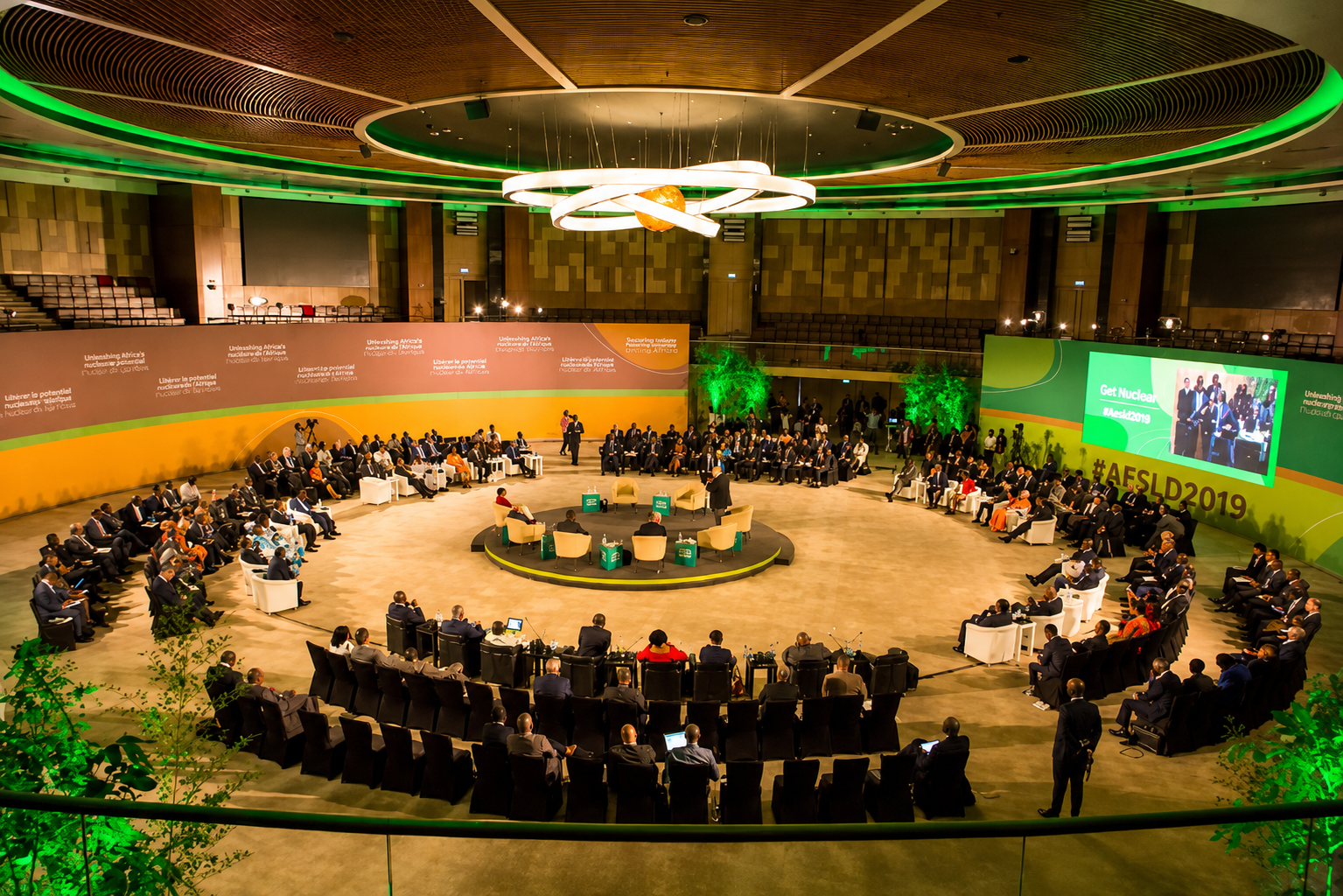
We placed 250 people in a circle on the auditorium floor, drawn tightly enough that the space read as intimate rather than as a large room lightly filled. Every delegate could see every other delegate. The equality the client kept describing became something delegates could see the moment they walked in — before it had to be asserted from a lectern.
Delegates had to arrive with shared context. An argument between people working from different starting assumptions does not converge in two days. Feature areas around the convening carried the history of food systems across Africa, so delegates moved through the context of the discussion rather than arriving cold to it, and the debate could begin further along.
The communiqué had to be present in the room, not produced after it. Interactive screens let delegates engage with the material directly and, once the document was signed, with the communiqué itself. The output stopped being an administrative act that happened somewhere else and became something visible in the space where the agreement was reached.
The result
The core partners signed the communiqué, formalising a commitment to coordinate their work on food security under climate change. More than 34 African countries and 42 organisations were represented. President Paul Kagame, President of the Republic of Rwanda, delivered the keynote.
The World Bank has engaged Cube on several convenings since.
| Year | Convening | Country |
|---|---|---|
| August 2019 | Africa Food Security Leadership Dialogue | Rwanda |
| June 2023 | Africa Agricultural Policy Leadership Dialogue | Zambia |
| November 2023 | WASH Leadership Summit | Ethiopia |
| March 2025 | Food Systems Resilience Programme for Eastern and Southern Africa | Ethiopia |
| December 2025 | One Health Conference | Zambia |
| March 2026 | Food Systems Resilience Programme for Eastern and Southern Africa | Ethiopia |
| June 2026 | West Africa Rice Investment Roundtable | Ghana |
Two of these were not direct commissions. On the Food Systems Resilience Programme convenings in Ethiopia, the World Bank was a programme partner and recommended Cube as event manager — putting its own standing behind the introduction.
How the relationship works
The division of labour has held across seven years and four countries, and it is deliberate.
The World Bank owns the agenda — what gets discussed, and which ministers and policy leaders need to be in the room to discuss it. That expertise sits with the client and should stay there.
Cube owns delivery: the design of the convening, production, registration, the event website, logistics in-market, and liaison with host governments and protocol. In four countries where Cube is not the incumbent supplier, that has meant building local delivery capacity from a standing start each time, to a standard the client no longer has to check.
The design approach established in Kigali in 2019 has since been carried into Zambia, Ethiopia and Ghana.
Client voice
“Cube demonstrated its proven track record and the know-how to deliver this high caliber international event. The event cited above was executed seamlessly and was highly successful. Cube put forth a can-do approach consistently, was proactive, and managed problems and challenges in a very effective and professional manner.
The World Bank
Inside the room
Moments across seven convenings.
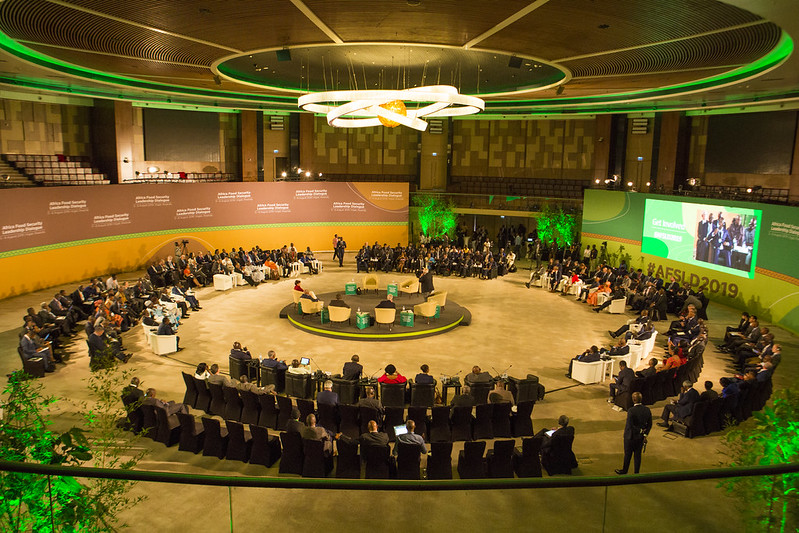
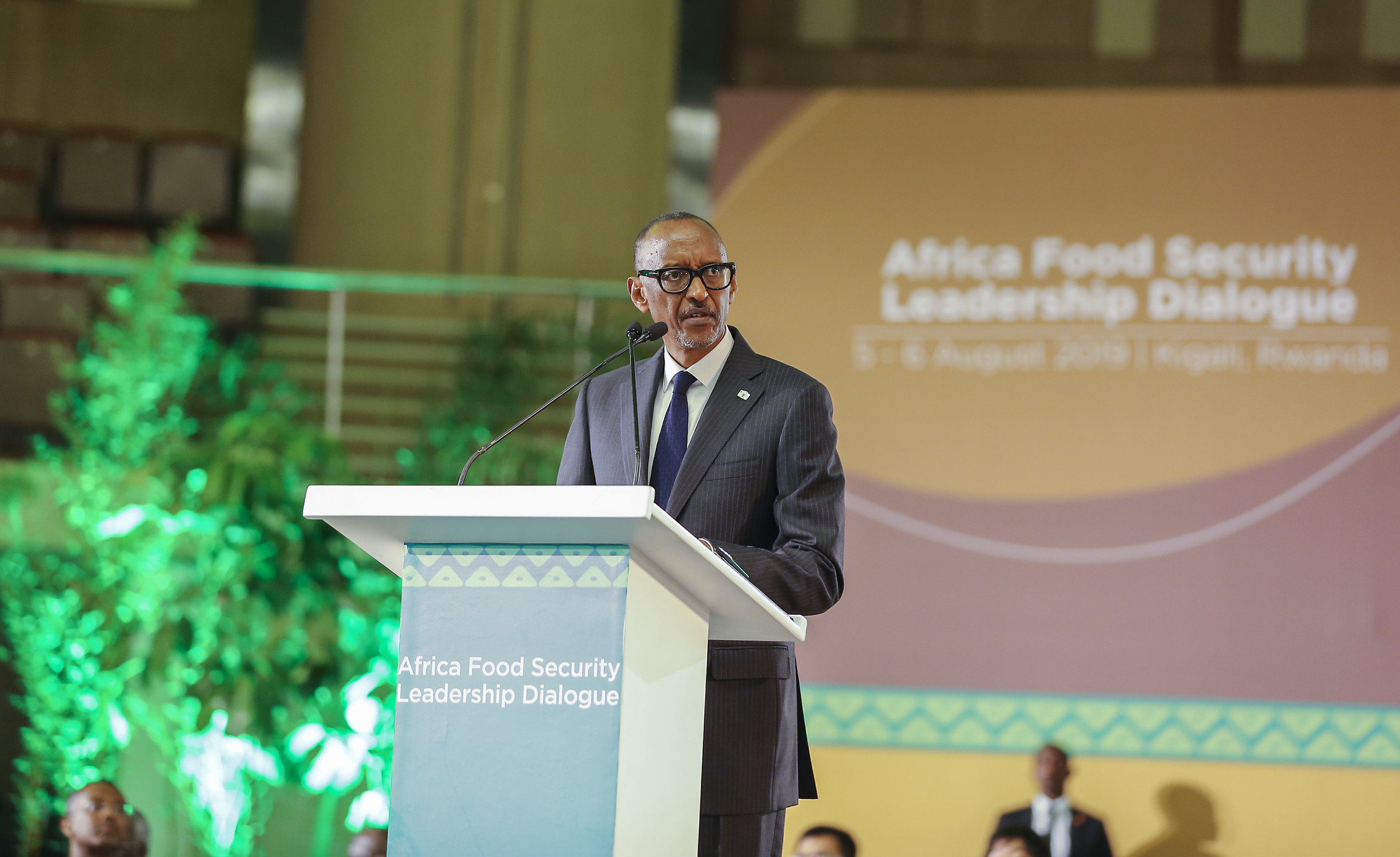
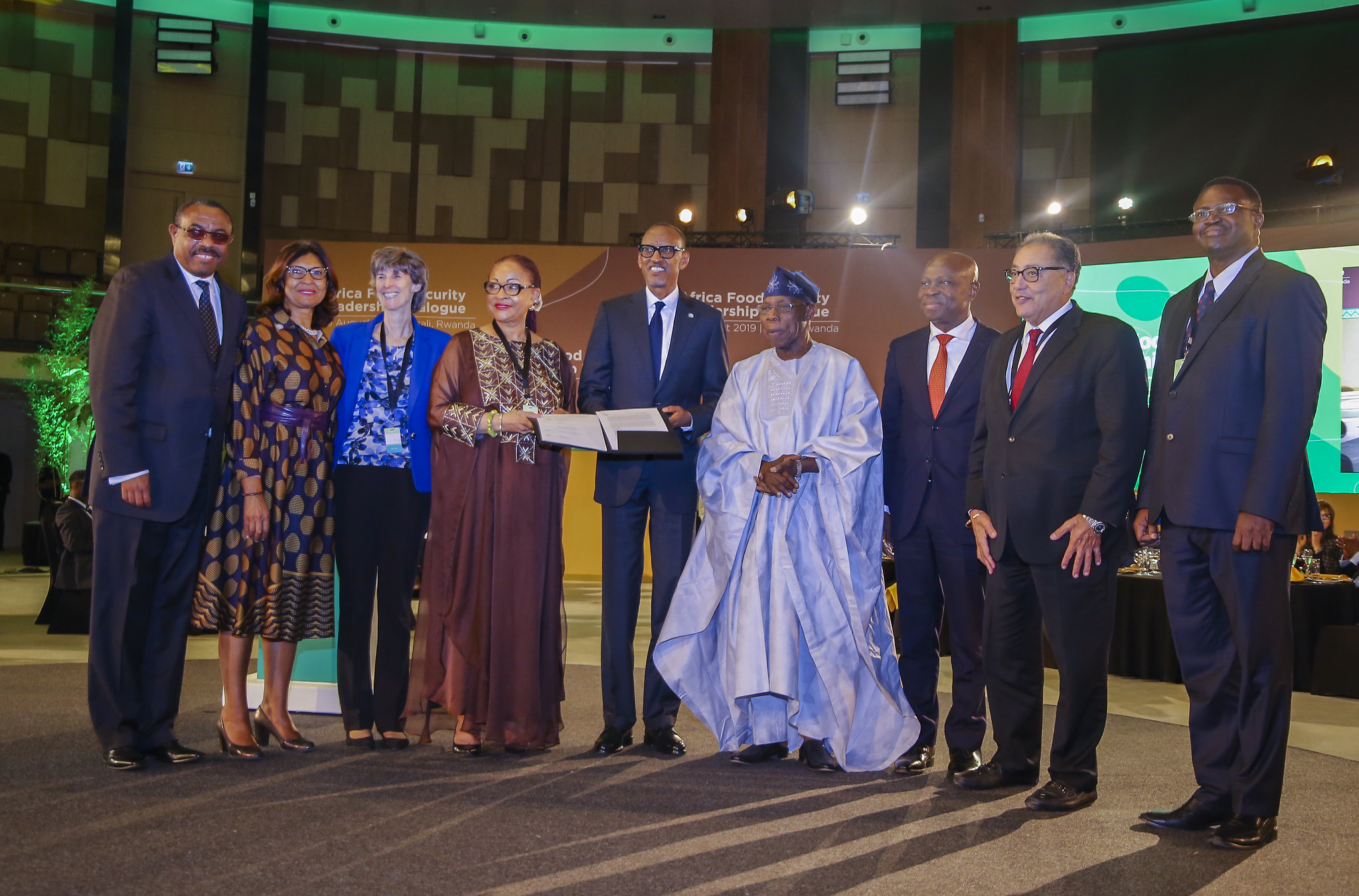
Africa Food Security Leadership Dialogue Rwanda · 2019
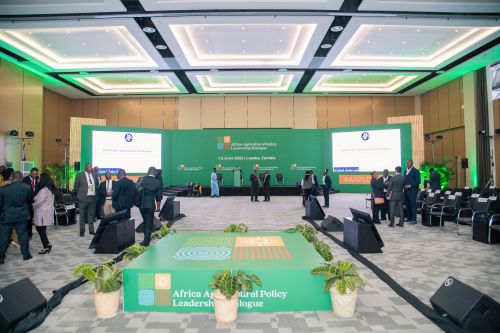
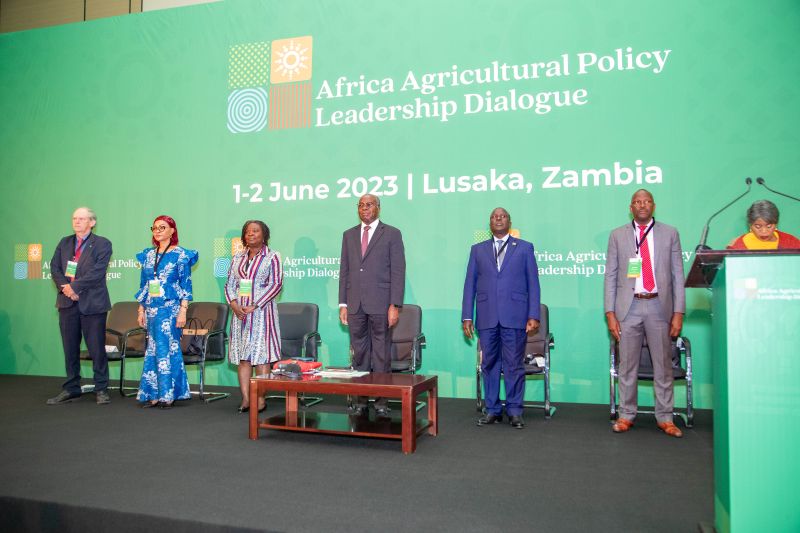
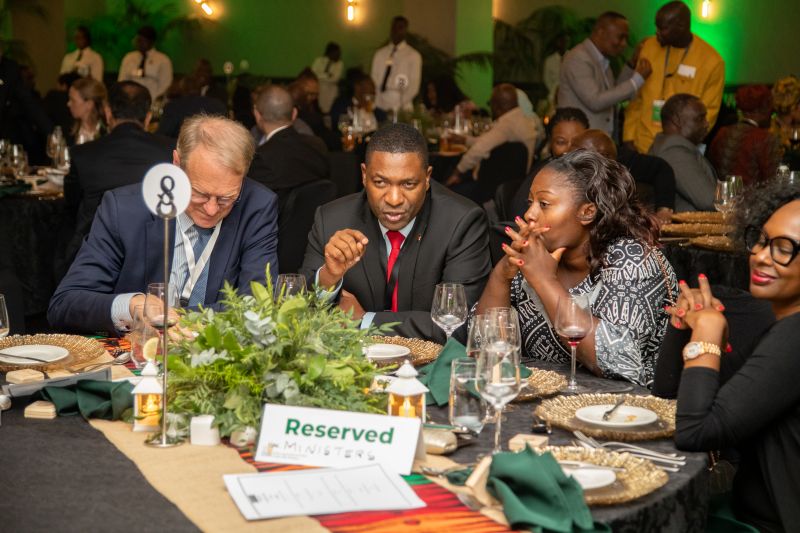
Africa Agricultural Policy Leadership Dialogue Zambia · 2023
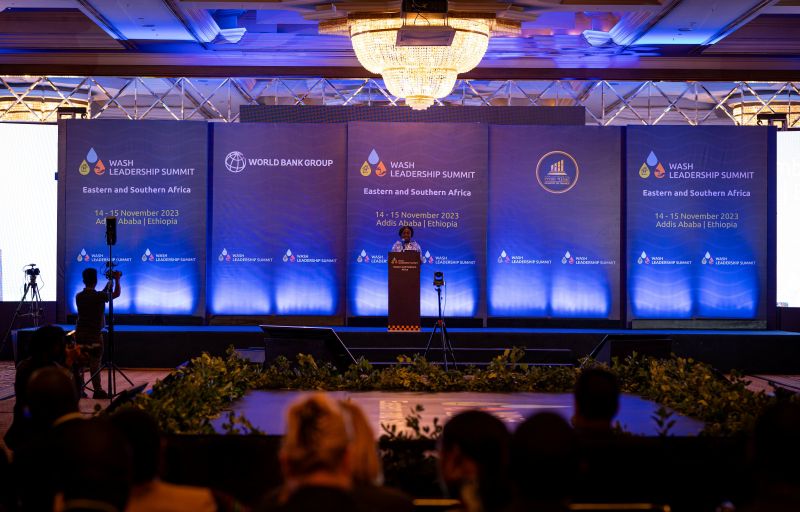
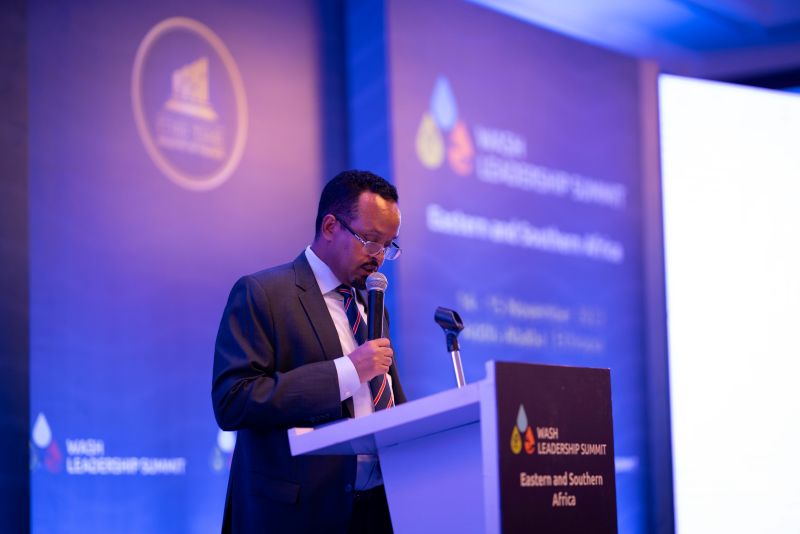
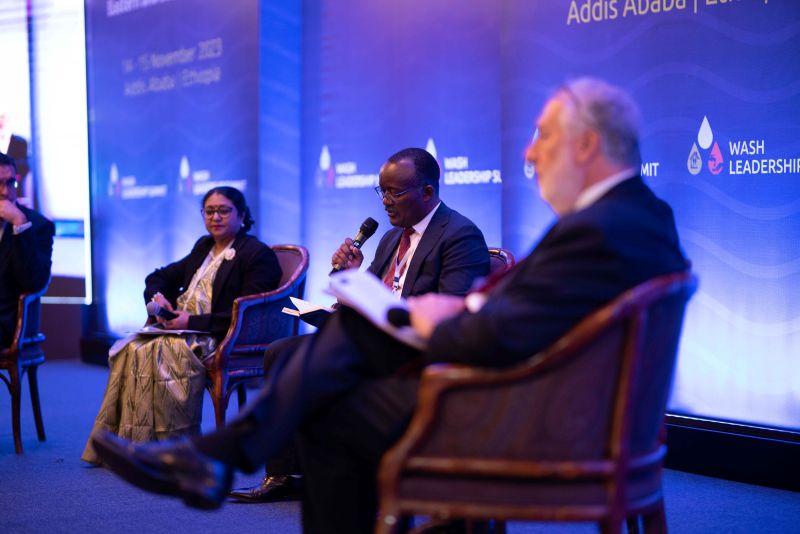
WASH Leadership Summit Ethiopia · 2023
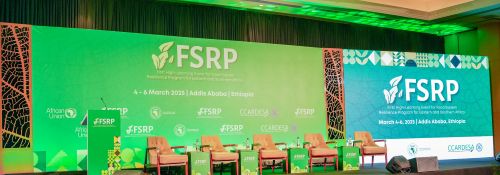
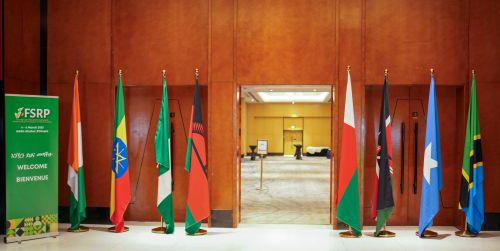
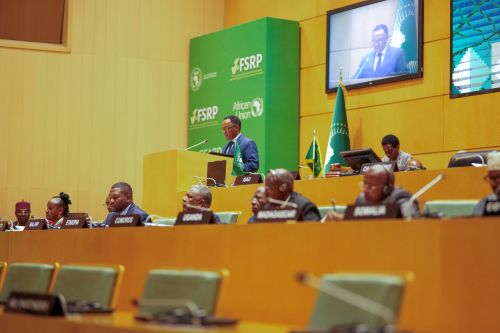
Food Systems Resilience Programme for Eastern and Southern Africa Ethiopia · 2025
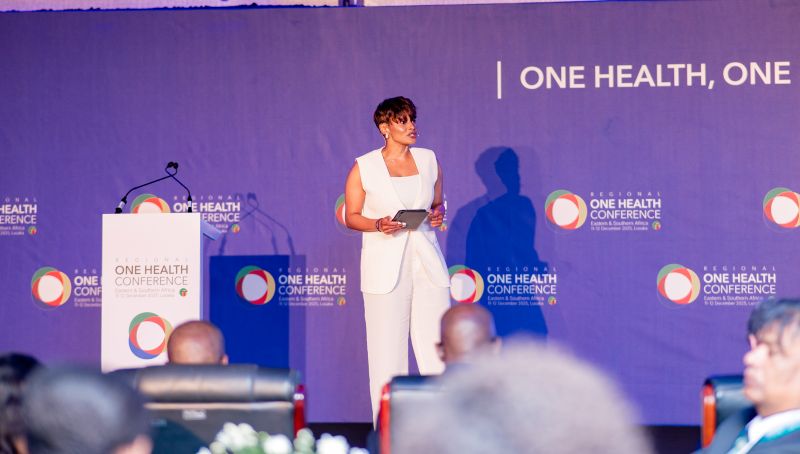
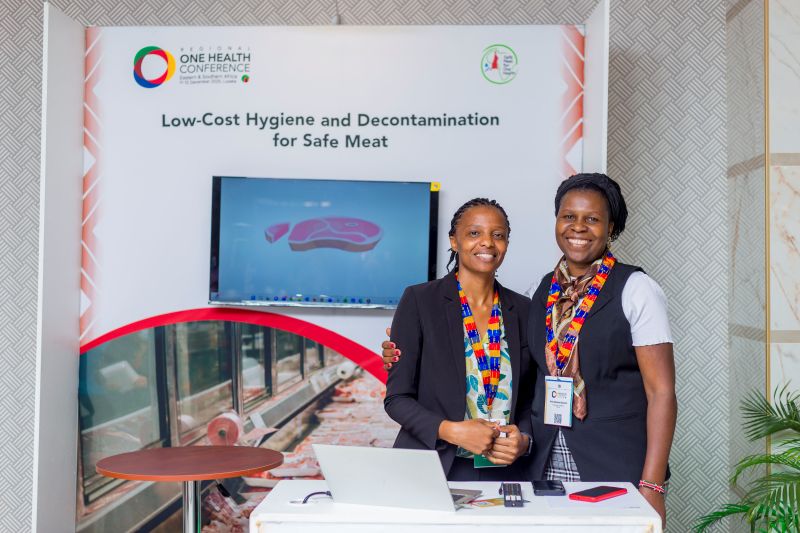
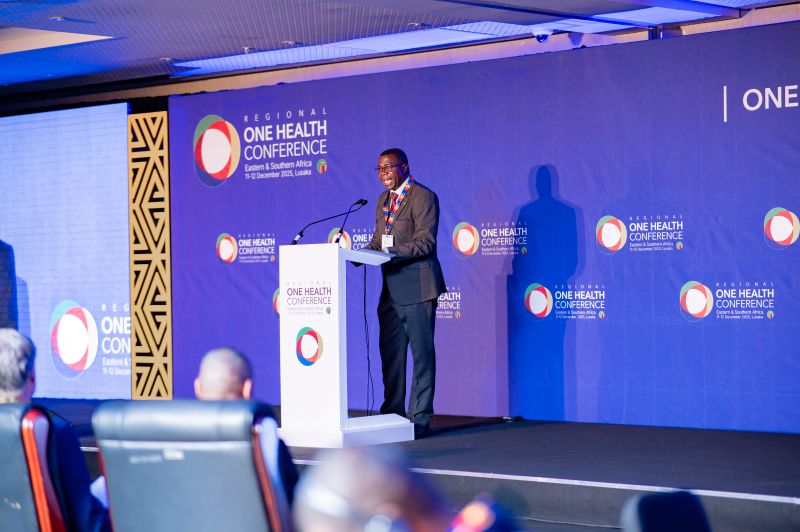
One Health Conference Zambia · 2025
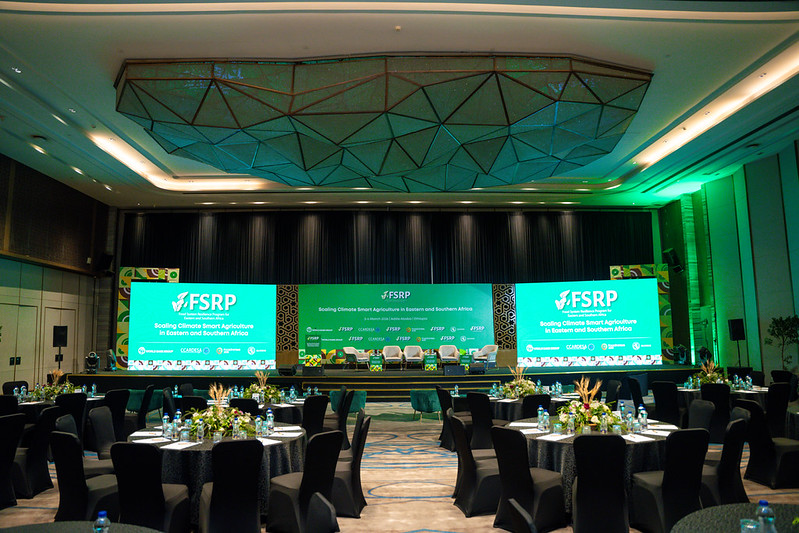
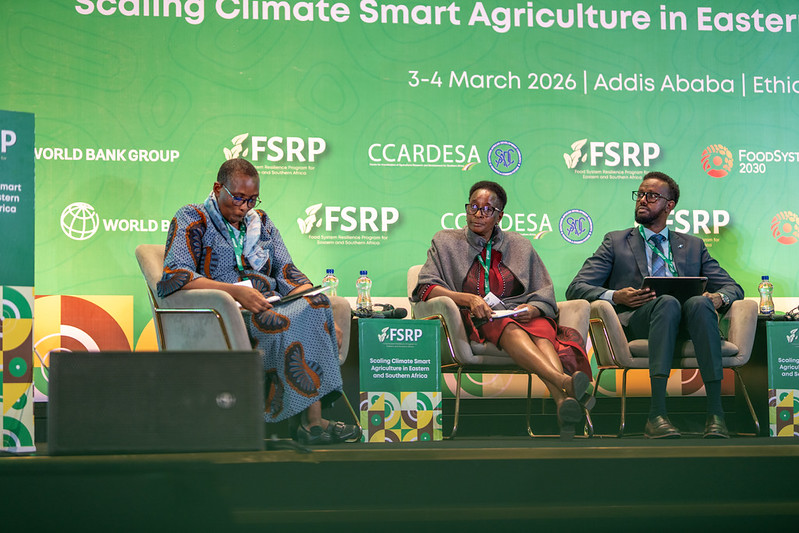
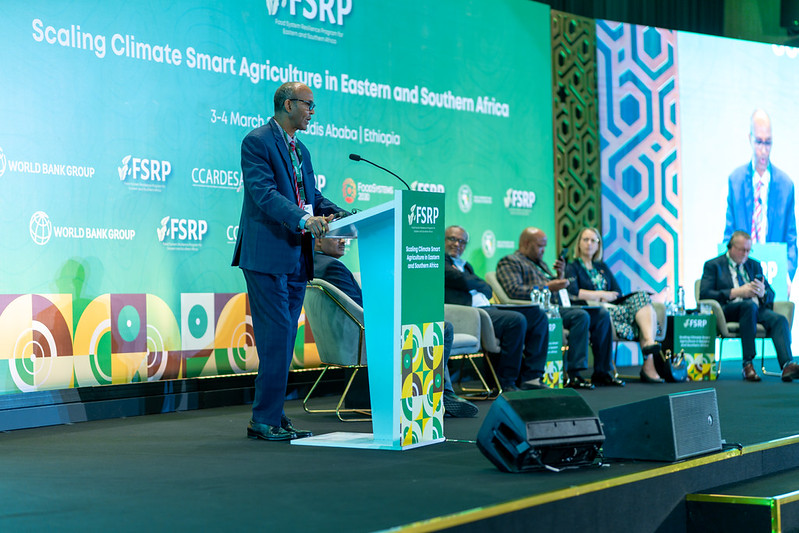
Food Systems Resilience Programme for Eastern and Southern Africa Ethiopia · 2026
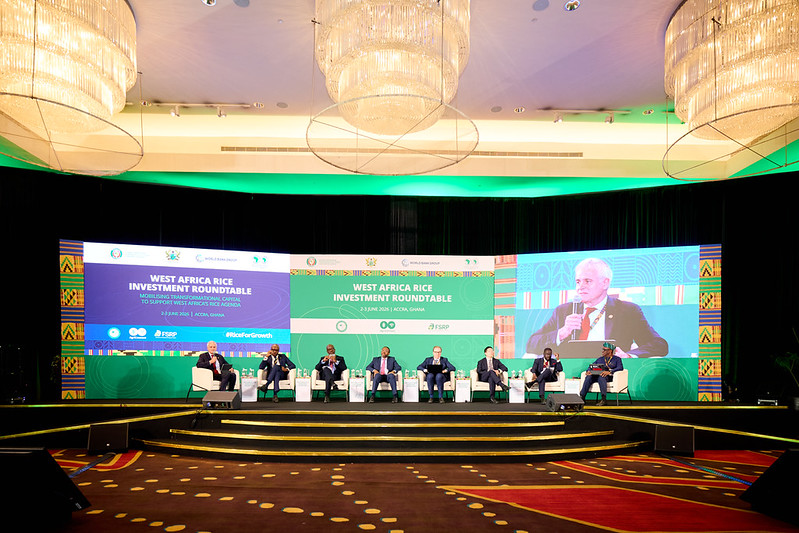
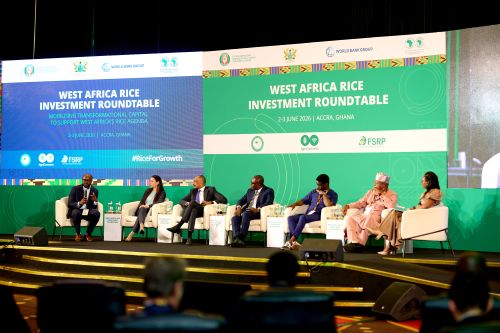
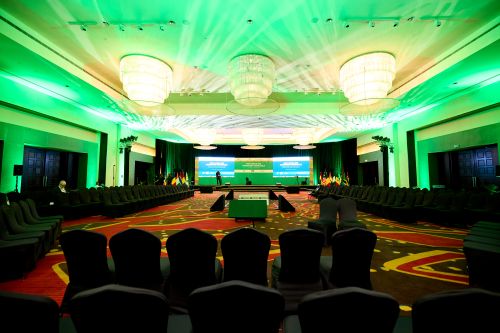
West Africa Rice Investment Roundtable Ghana · 2026
Contact
Planning something at this level?
Tell us about your convening. Our team responds within one business day.
Start a conversation